Committee and session leaders

Anna Blakney
Norbert Pardi
Anna Blakney
Anna Blakney is an Assistant Professor in the Michael Smith Laboratories and School of Biomedical Engineering at UBC. She received her Bachelor of Science in Chemical & Biological Engineering from the University of Colorado at Boulder, and her PhD in Bioengineering from the University of Washington. She completed a postdoctoral fellow
Anna Blakney is an Assistant Professor in the Michael Smith Laboratories and School of Biomedical Engineering at UBC. She received her Bachelor of Science in Chemical & Biological Engineering from the University of Colorado at Boulder, and her PhD in Bioengineering from the University of Washington. She completed a postdoctoral fellowship at Imperial College London on the development of molecular and biomaterial engineering strategies for delivery of self-amplifying RNA. Her lab uses bioengineering, molecular biology and immunology approaches to develop the next generation of RNA vaccines and therapies.

Steve Hart
Norbert Pardi
Anna Blakney
Stephen Hart is Professor in Molecular Genetics at UCL Great Ormond Street Institute of Child Health. He obtained his PhD from the University of Cape Town in Microbial Genetics and has since worked in the field of genetic therapies with more than 100 publications in the field. His research has focused particularly on the development of
Stephen Hart is Professor in Molecular Genetics at UCL Great Ormond Street Institute of Child Health. He obtained his PhD from the University of Cape Town in Microbial Genetics and has since worked in the field of genetic therapies with more than 100 publications in the field. His research has focused particularly on the development of non-viral, nucleic acid delivery to the lung based on nanoformulations of epithelial targeting peptides and lipids. His current research activities include the use of these targeted nanocomplexes for the development and delivery of gene, mRNA and siRNA therapies as well as gene editing for rare diseases including cystic fibrosis (CF), primary ciliary dyskinesias (PCD), and neuroblastoma.

Norbert Pardi
Norbert Pardi
Norbert Pardi
Norbert Pardi holds a Ph.D. in biochemistry and genetics. He has been working at the University of Pennsylvania since 2011 and currently holds an Assistant Professor position at the Department of Microbiology of the Perelman School of Medicine. His research interest is the development of mRNA-based therapeutics with particular focus on
Norbert Pardi holds a Ph.D. in biochemistry and genetics. He has been working at the University of Pennsylvania since 2011 and currently holds an Assistant Professor position at the Department of Microbiology of the Perelman School of Medicine. His research interest is the development of mRNA-based therapeutics with particular focus on new generation infectious disease vaccines. He explored the development of a novel vaccine platform using nucleoside-modified mRNA in lipid nanoparticles (LNPs) and used it to generate highly effective vaccines targeting various pathogens (influenza virus, coronaviruses, malaria and others).
COMMITTEE AND SESSION LEADERS

Dan Peer
Yvonne Perrie
Yvonne Perrie
Dan Peer is a full Professor and the Director of the Laboratory of Precision NanoMedicine at Tel Aviv University (TAU). He is the founder and managing director of the Center for Translational Medicine and the SPARK TLV program at TAU. His work was among the first to demonstrate systemic delivery of RNA molecules using targeted nanocarri
Dan Peer is a full Professor and the Director of the Laboratory of Precision NanoMedicine at Tel Aviv University (TAU). He is the founder and managing director of the Center for Translational Medicine and the SPARK TLV program at TAU. His work was among the first to demonstrate systemic delivery of RNA molecules using targeted nanocarriers to the immune system and he pioneered the use of RNA interference (RNAi) for in vivo validation of new drug targets within the immune system. His work is focused on cancer and inflammation. His lab was the first to show systemic, cell specific delivery of mRNA molecules. Dan has received more than 40 awards for his research.
Yvonne Perrie
Yvonne Perrie
Yvonne Perrie
Yvonne Perrie is the Chair in Drug Delivery within Strathclyde Institute for Pharmacy and Biomedical Sciences, University of Strathclyde, Glasgow, Scotland. Prior to this appointment, she was Professor in Drug Delivery, within Aston University, Birmingham, England (2007-2016). Yvonne’s research is multi-disciplinary and is focused on th
Yvonne Perrie is the Chair in Drug Delivery within Strathclyde Institute for Pharmacy and Biomedical Sciences, University of Strathclyde, Glasgow, Scotland. Prior to this appointment, she was Professor in Drug Delivery, within Aston University, Birmingham, England (2007-2016). Yvonne’s research is multi-disciplinary and is focused on the development of drug carrier systems to facilitate the delivery of drugs and vaccines, providing practical solutions for current healthcare problems. She is a Fellow of the Society of Biology, the Royal Society of Chemistry, the Royal Pharmaceutical Society, and an Eminent Fellow of the Academy of Pharmaceutical Sciences. Yvonne was appointed a Member of the Order of the British Empire (MBE) in His Majesty the King’s New Year Honours List 2024 for services to pharmaceutical innovation and regulation.
Colin Pouton
Yvonne Perrie
Colin Pouton
Colin Pouton is Professor of Pharmaceutical Biology at Monash Institute of Pharmaceutical Sciences (MIPS), Melbourne, Australia. Pouton is a pharmaceutical scientist with broad experience in drug discovery, delivery and product development. He began his postdoctoral career at the University of Bath, UK, where he remained before moving to
Colin Pouton is Professor of Pharmaceutical Biology at Monash Institute of Pharmaceutical Sciences (MIPS), Melbourne, Australia. Pouton is a pharmaceutical scientist with broad experience in drug discovery, delivery and product development. He began his postdoctoral career at the University of Bath, UK, where he remained before moving to Monash University in 2001. Pouton is best-known for his program of research on delivery systems to enhance the oral bioavailability of poorly absorbed small molecule drugs. He has directed two other academic research programs in parallel, on nucleic acid therapeutics and pharmaceutical applications of stem cell technology. His current focus is a collaborative program to foster early proof-of-concept studies to study the potential of mRNA for vaccination, therapeutic use in chronic diseases, and treatment of genetic diseases by genome editing.
COMMITTEE AND SESSION LEADERS
Robin Shattock
Natalie Trevaskis
Natalie Trevaskis
Robin Shattock is the Head of Mucosal Infection and Immunity within the Department of Medicine at Imperial College London. Professor Shattock's research focuses on the mechanisms of mucosal infection and the development of novel preventative strategies appropriate to a developing world setting. This has led to the establishment of inter
Robin Shattock is the Head of Mucosal Infection and Immunity within the Department of Medicine at Imperial College London. Professor Shattock's research focuses on the mechanisms of mucosal infection and the development of novel preventative strategies appropriate to a developing world setting. This has led to the establishment of international collaborations aimed at preclinical identification, development and selection of HIV microbicide and vaccine candidates prior to formal clinical efficacy trials. Professor Shattock oversees a portfolio of research that is supported by 26 members of staff including researchers, PhD students, clinical trial managers and project managers.
Natalie Trevaskis
Natalie Trevaskis
Natalie Trevaskis
Natalie Trevaskis is a Professor at Monash Institute of Pharmaceutical Sciences. Her research group is focussed on the role of lymphatics in immune-metabolic disease and drug delivery to the lymphatics to treat these diseases. The lymphatic system has physiological functions in dietary fat absorption, immune response and fluid balance,
Natalie Trevaskis is a Professor at Monash Institute of Pharmaceutical Sciences. Her research group is focussed on the role of lymphatics in immune-metabolic disease and drug delivery to the lymphatics to treat these diseases. The lymphatic system has physiological functions in dietary fat absorption, immune response and fluid balance, and has recently been found to play important roles in a range of diseases including immune and inflammatory diseases, cancers and metabolic disease. Nalatie’s research group is particularly focussed on understanding the mechanisms by which lymphatic dysfunction contributes to diseases such as arthritis, pancreatitis, neuroinflammation, atherosclerosis, obesity and type 2 diabetes. Her group is also advancing the design of drug delivery systems to target the lymphatics and treat these diseases.
SPEAKERS
Roy van der Meel
Roy van der Meel
Roy van der Meel
Roy van der Meel is a biomedical engineer specialized in nanomedicine and RNA therapeutics. After obtaining a PhD from Utrecht University, he moved to Pieter Cullis’ lab at the University of British Columbia where he gained extensive experience with lipid nanoparticle technology. In 2019, Roy was recruited to Eindhoven University of Tech
Roy van der Meel is a biomedical engineer specialized in nanomedicine and RNA therapeutics. After obtaining a PhD from Utrecht University, he moved to Pieter Cullis’ lab at the University of British Columbia where he gained extensive experience with lipid nanoparticle technology. In 2019, Roy was recruited to Eindhoven University of Technology by Willem Mulder, where he is currently appointed Associate Professor in the Precision Medicine group.
Roy’s research is supported by a Dutch Research Council (NWO) Vidi Grant and an European Research Council (ERC) Consolidator Grant, and focuses on engineering RNA-based nanomedicines to precisely regulate immune cell function, aiming to treat diseases like cancer and autoimmune disorders. He has co-authored over 60 publications in journals including Nature Nanotechnology, Nature Biomedical Engineering, and Advanced Materials, and he was awarded the Controlled Release Society Young Investigator Award in 2024.
Miffy Cheng
Roy van der Meel
Roy van der Meel
Miffy Hok Yan Cheng is an Assistant Professor in the Faculty of Pharmaceutical Sciences at the University of British Columbia. She completed her PhD at the University of Hull, in 2018, focusing on molecular agents for fluorescence-guided surgery. She then pursued postdoctoral research at the Princess Margaret Cancer Research Centre, deve
Miffy Hok Yan Cheng is an Assistant Professor in the Faculty of Pharmaceutical Sciences at the University of British Columbia. She completed her PhD at the University of Hull, in 2018, focusing on molecular agents for fluorescence-guided surgery. She then pursued postdoctoral research at the Princess Margaret Cancer Research Centre, developing theranostic agents for cancer imaging and therapy, and later at UBC, working on lipid nanoparticles (LNPs) for delivering siRNA and mRNA. Her new lab focuses on advancing next-generation nanomedicines, particularly designing new LNPs for gene therapy to combat chronic diseases.
Brandon Dixon
Roy van der Meel
Brandon Dixon
Dr. Brandon Dixon is a Woodruff Professor and the Associate Chair of
Undergraduate Studies in the Woodruff School of Mechanical Engineering at Georgia
Tech. He joined the faculty at Georgia Tech in 2009 and has established a research
program focused on developing engineered technologies for diagnosing and treating
diseases of the lymphatic sy
Dr. Brandon Dixon is a Woodruff Professor and the Associate Chair of
Undergraduate Studies in the Woodruff School of Mechanical Engineering at Georgia
Tech. He joined the faculty at Georgia Tech in 2009 and has established a research
program focused on developing engineered technologies for diagnosing and treating
diseases of the lymphatic system. Prior to coming to Georgia Tech, he was a post-doc
at Ecole Polytechnique Federal de Lausanne in Switzerland. He received his Ph.D.
and B.S from Texas A&M University. His research has been funded by the NIH,
ARPAH, NSF, DOD, Gates Foundation, the American Heart Association, and other
private foundations. He is a recipient of the NSF Career Award, the NIH Pathway to
Independence Award and is a Fellow in the American Institute for Medical and
Biological Engineering. He is also a co-founder of LymphaTech, a start-up company
focused on developing enabling technologies for assessing and managing clinical
lymphedema.
SPEAKERS
Rongjun Chen
Enrico Mastrobattista
Chantal Pichon
Rongjun Chen obtained his PhD degree and completed his postdoctoral training in the
Department of Chemical Engineering and Biotechnology at the University of Cambridge.
He is Currently Professor of Biomaterials Engineering and Head of the Biomaterials and
Nanomedicine Laboratory in the Department of Chemical Engineering at Imperial College
Lo
Rongjun Chen obtained his PhD degree and completed his postdoctoral training in the
Department of Chemical Engineering and Biotechnology at the University of Cambridge.
He is Currently Professor of Biomaterials Engineering and Head of the Biomaterials and
Nanomedicine Laboratory in the Department of Chemical Engineering at Imperial College
London. His research focuses on the design, synthesis, and manufacturing of polymers,
lipids and bio-inspired nanoparticles for the targeted delivery of active pharmaceutical
agents, including RNA. He has established a translational research programme in targeted
nanomedicine, room-temperature-stable RNA vaccine formulations, cell and gene
therapies. His work has been published in leading journals, including Nature, Nature
Chemistry, Science Advances, Advanced Materials, Biomaterials, and Journal of
Controlled Release. His research has been recognised by various awards, including the
IChemE Global Team Award (2021), the Imperial College President’s Award for
Outstanding Research Team (2021), and a Highly Commended distinction for the IChemE
Global Biotechnology Award (2018). He serves as an Editor for Chemical Engineering
Journal and an Editorial Board Member of Discover Molecules and Nano Trends.
Chantal Pichon
Enrico Mastrobattista
Chantal Pichon
Chantal Pichon, a Full Professor at the University of Orléans (France), holds the Innovation Chair of Excellence at the Institut Universitaire de France (Paris) and is elected as member of the French Academia of Technologies. Chantal Pichon is leading a Inserm R&D laboratory (ART-ARNm), focused on the development and translation of messe
Chantal Pichon, a Full Professor at the University of Orléans (France), holds the Innovation Chair of Excellence at the Institut Universitaire de France (Paris) and is elected as member of the French Academia of Technologies. Chantal Pichon is leading a Inserm R&D laboratory (ART-ARNm), focused on the development and translation of messenger RNA (mRNA) technologies, and the Innovative Therapies and Nanomedicine Inserm Research unit (U 1364). She has over 20 years of expertise in developing delivery systems for nucleic acid-based therapies based on chemical vectors and ultrasound/microbubble-assisted delivery. Over the past decade, her research has centered on mRNA delivery and production. She has produced and patented innovative mRNA formulations and a groundbreaking mRNA bioproduction technology.
Enrico Mastrobattista
Enrico Mastrobattista
Enrico Mastrobattista
Prof. Dr. Enrico Mastrobattista is a Professor of Pharmaceutical Biotechnology & Delivery at the Utrecht University. He obtained his Ph.D. in Advanced Drug Delivery from Utrecht University in 2001 and worked from 2001-2004 as a Marie Curie postdoctoral fellow at the MRC-Laboratory of Molecular Biology in Cambridge (UK). In 2013 he was a
Prof. Dr. Enrico Mastrobattista is a Professor of Pharmaceutical Biotechnology & Delivery at the Utrecht University. He obtained his Ph.D. in Advanced Drug Delivery from Utrecht University in 2001 and worked from 2001-2004 as a Marie Curie postdoctoral fellow at the MRC-Laboratory of Molecular Biology in Cambridge (UK). In 2013 he was awarded the Prestigious Galien Research Price, The Netherlands, for his research on drug delivery. In addition, he is a board member of the Netherlands Society of Gene & Cell Therapy. His main areas of expertise are drug delivery, pharmaceutical biotechnology and nanobiotechnology with a focus on the intracellular delivery of nucleic acids, CRISPR-Cas gene editing components and genetic vaccines. He has published over 140 articles in scientific journals, contributed to several book chapters in pharmaceutical biotechnology and holds several patents to his name.
SPEAKERS
Germán Abel Islan
Francesca Baldelli Bombelli
Germán Abel Islan
Germán Abel Islan, PhD, is a Senior Postdoc at University Medical Center Mainz, specializing in mRNA-LNP vaccine development. His expertise spans LNP production via microfluidics, lipid modifications for targeted delivery, and co-encapsulation of adjuvants (MPLA/CpG-ODN) or molecules like dexamethasone to tune immune responses. With 70+
Germán Abel Islan, PhD, is a Senior Postdoc at University Medical Center Mainz, specializing in mRNA-LNP vaccine development. His expertise spans LNP production via microfluidics, lipid modifications for targeted delivery, and co-encapsulation of adjuvants (MPLA/CpG-ODN) or molecules like dexamethasone to tune immune responses. With 70+ publications (h-index 26-28) combining long‑standing expertise in nanocarriers and drug delivery with cutting‑edge mRNA‑LNP vaccine research, pharmaceutical formulation, and in vitro/in vivo evaluation, he bridges nanobiomaterials and translational R&D.
Rein Verbeke
Francesca Baldelli Bombelli
Germán Abel Islan
Rein Verbeke is a senior postdoc in the Ghent Research Group on Nanomedicines (Ghent University, https://www.drugdelivery.be ). His PhD focused on the design of mRNA-LNPs and the adjuvancy of mRNA vaccines. Rein continued his research on the clinical development of a glycolipid-adjuvanted mRNA vaccine (Galsomes) for cancer and intracellu
Rein Verbeke is a senior postdoc in the Ghent Research Group on Nanomedicines (Ghent University, https://www.drugdelivery.be ). His PhD focused on the design of mRNA-LNPs and the adjuvancy of mRNA vaccines. Rein continued his research on the clinical development of a glycolipid-adjuvanted mRNA vaccine (Galsomes) for cancer and intracellular bacterial infections. In 2022, he visited the group of Prof. Pieter Cullis, University of British Columbia, where he investigated the contribution of LNPs to the immunogenicity and reactogenicity of mRNA vaccines. Rein is also director of the Ghent Nanomedicine Centre providing solutions for the formulation and in-depth characterization of bio-therapeutics in nanoparticles (https://www.nanomedicinecentre.com).
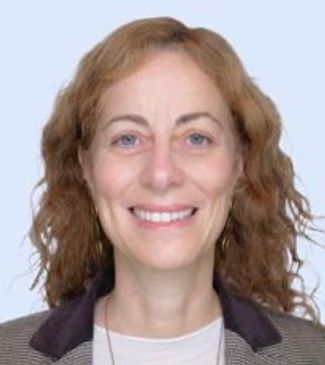
Francesca Baldelli Bombelli
Francesca Baldelli Bombelli
Francesca Baldelli Bombelli
Francesca Baldelli Bombelli is associate Professor at Politecnico di Milano and is a member of the scientific panel of the Department of Chemistry, Materials, and Chemical Engineering “Giulio Natta” (CMIC). She has supervised 11 PhD students, 9 postdocs, and 28 master's students and is co-author of 90 articles, 5 book chapters and co-inv
Francesca Baldelli Bombelli is associate Professor at Politecnico di Milano and is a member of the scientific panel of the Department of Chemistry, Materials, and Chemical Engineering “Giulio Natta” (CMIC). She has supervised 11 PhD students, 9 postdocs, and 28 master's students and is co-author of 90 articles, 5 book chapters and co-inventor of four patents. As a chemist dedicated to the intersection of nanotechnology and biology, her research aims to elucidate the intricate interactions between nanoparticles and biological systems to design more effective diagnostic and therapeutic nanosystems. By developing innovative model systems that replicate the complex biological environment, she strives to understand the mechanisms of action of nanoparticles at various scales of complexity, from human fluids to in vitro and in vivo models.
SPEAKERS
Thomas Preiss
Thomas Preiss
Thomas Preiss
Thomas Preiss is a Professor of RNA Biology at the Australian National University (ANU). He is a molecular biologist known for his contributions to the understanding of the mechanisms and control of eukaryotic mRNA function. His work aims to provide in-depth and enduring mechanistic insights through the innovative use of ‘omic’ tools, to
Thomas Preiss is a Professor of RNA Biology at the Australian National University (ANU). He is a molecular biologist known for his contributions to the understanding of the mechanisms and control of eukaryotic mRNA function. His work aims to provide in-depth and enduring mechanistic insights through the innovative use of ‘omic’ tools, to our understanding of gene expression control at the RNA level in health and disease. In 2021 he established the ANU Shine-Dalgarno Centre to assist with growing an Australia-wide RNA innovation ecosystem.
Yi Yan Yang
Thomas Preiss
Thomas Preiss
Yi Yan YANG is a Distinguished Principal Scientist in Bioprocess Technology Institute (BTI), Agency for Science, Technology and Research (A*STAR), Republic of Singapore. She obtained her Ph.D. degree from Tsinghua University (China) in 1990. She has more than 300 publications in peer-reviewed journals including Nat. Mater., Nat. Nanotech
Yi Yan YANG is a Distinguished Principal Scientist in Bioprocess Technology Institute (BTI), Agency for Science, Technology and Research (A*STAR), Republic of Singapore. She obtained her Ph.D. degree from Tsinghua University (China) in 1990. She has more than 300 publications in peer-reviewed journals including Nat. Mater., Nat. Nanotech., Nat. Chem., Nat. Commun. and Nat. Biomedical Eng., and more than 70 primary patents granted (5 patents were licensed to startup companies). She has received many invitations to hold lectures and seminars in Singapore and overseas. She was 2022 and 2025 highly cited researcher recognized by Clarivate™. She was elected to Fellow, the Academy of Engineering, Singapore in July 2021. She was recognized in Stanford’s Top 2% Scientists Worldwide in 2021-2025. In January 2016, she was elected to Fellow, the American Institute for Medical and Biological Engineering (AIMBE). Her work on antimicrobial polymers was named Scientific American’s “Top 10 World Changing Ideas” in 2011. She is an Associate Editor for Nanomedicine: Nanotechnology, Biology and Medicine, an International Advisory Board Member for Advanced Healthcare Materials, and an Editorial Board Member for Drug Delivery. Her current research is mainly focused on targeted delivery of mRNA for vaccine, cancer therapy, infection and other diseases.
Paula Cevaal
Thomas Preiss
Paula Cevaal
Dr Paula Cevaal is a Research Fellow in the lab of Professor Sharon Lewin at the University of Melbourne, Australia. She completed a joint PhD in virology and nanomedicine. Her work focuses on developing non-viral vectors to efficiently deliver therapeutics to primary CD4+ T cells. Specifically, she leads a new line of research pioneerin
Dr Paula Cevaal is a Research Fellow in the lab of Professor Sharon Lewin at the University of Melbourne, Australia. She completed a joint PhD in virology and nanomedicine. Her work focuses on developing non-viral vectors to efficiently deliver therapeutics to primary CD4+ T cells. Specifically, she leads a new line of research pioneering lipid nanoparticles for the delivery of mRNA-based therapeutics to reveal and eliminate the latent HIV reservoir, with the ultimate goal of curing HIV. Her work pioneering nanoparticle delivery to T cells has received extensive national and international funding. She is a named inventor on two patent applications related to this work and was awarded the prestigious Young Investigator Award at the International AIDS Society meeting in 2023.
speakers
Ine Lentacker
Ine Lentacker
Ine Lentacker
Ine Lentacker obtained her PhD in Pharmaceutical Sciences from Ghent University in 2009, following her training as a pharmacist. She is currently a Full Professor at Ghent University and Principal Investigator of the ‘Vaccine Delivery Group’ within the Laboratory of General Biochemistry and Physical Pharmacy. Her research focuses on th
Ine Lentacker obtained her PhD in Pharmaceutical Sciences from Ghent University in 2009, following her training as a pharmacist. She is currently a Full Professor at Ghent University and Principal Investigator of the ‘Vaccine Delivery Group’ within the Laboratory of General Biochemistry and Physical Pharmacy. Her research focuses on the design, characterization, and clinical translation of innovative mRNA-based vaccines and immunotherapies. She serves as co‑coordinator of the European Horizon 2020 project Baxerna2.0, which advances the development of bacterial mRNA vaccines. In parallel, she leads a CEPI-funded project aimed at elucidating the impact of freeze‑drying on mRNA vaccine stability and performance using state‑of‑the‑art analytical methodologies. Her work has contributed to the establishment of the Nanomedicine Center, which fosters collaboration with the GMP facility at UZ Gent (CelGENTherapies) for the production of mRNA vaccines for phase I clinical studies, including the patented mRNA Galsome platform developed within her team. Recently, she was awarded an ERC Consolidator Grant (My‑NANO) to investigate fundamental interactions between mRNA therapeutics and the innate immune system, with the goal of designing a new generation of immunotherapies for solid tumors.At RNA Delivery Prato 2026, we envision a future where medical breakthroughs are commonplace and accessible to all. We strive to make a positive impact on the lives of patients and their families through our work in medical research and development.
Zoltan Kis
Ine Lentacker
Ine Lentacker
Prof. Zoltán Kis is Professor of Bioprocess Engineering at the University of Sheffield and Honorary Lecturer at Imperial College London. He leads interdisciplinary research on next-generation RNA vaccine and therapeutic manufacturing, synergising experimental process development with process modelling. His work integrates continuous man
Prof. Zoltán Kis is Professor of Bioprocess Engineering at the University of Sheffield and Honorary Lecturer at Imperial College London. He leads interdisciplinary research on next-generation RNA vaccine and therapeutic manufacturing, synergising experimental process development with process modelling. His work integrates continuous manufacturing, soft-sensors, digital-twins, Quality-by-Digital-Design, and techno-economic modelling. His team develops scalable, disease-agnostic platforms for rapid, high-quality, and cost-effective RNA production to support global access. He previously worked in the Future Vaccine Manufacturing Hub at Imperial College London. He holds a PhD in Bioengineering from Imperial, an MSc in Applied Biotechnology, and a BEng in Chemical with Biochemical Engineering.
Zahra Rattray
Ine Lentacker
Zahra Rattray
Professor Zahra Rattray is Professor of Translational Pharmaceutics at the University of Strathclyde, Academic in Residence at the UK National Measurement Laboratory at the Laboratory of the Government Chemist, and honorary reader at University of Liverpool. Prior to establishing her lab in Fall 2018, Zahra was a postdoctoral researcher
Professor Zahra Rattray is Professor of Translational Pharmaceutics at the University of Strathclyde, Academic in Residence at the UK National Measurement Laboratory at the Laboratory of the Government Chemist, and honorary reader at University of Liverpool. Prior to establishing her lab in Fall 2018, Zahra was a postdoctoral researcher at the Yale Cancer Centre (2016-2018) and Senior Scientist in early development at AstraZeneca (2014-2016). Her interdisciplinary team focus on advanced drug delivery systems, nanomedicine, and the development of antibody‑based therapeutics, integrating analytical, biophysical, and computational approaches to improve the translation of complex medicines. She leads major interdisciplinary initiatives, including theme leadership within a BBSRC/MRC–GSK Prosperity Partnership on next‑generation antibody‑drug conjugates, is lead on the EU Quan Theriac project, and is Director of the EPSRC Multiscale Metrology Suite, a UK national facility enabling early‑stage bionanomaterial evaluation.
Professor Rattray leads a diverse team working across nanotechnology, biologics, and precision medicine. She is Fellow of the Royal Pharmaceutical Society and Fellow of the Academy of Pharmaceutical Sciences, and recipient of the Academy of Pharmaceutical Science Emerging Scientist Award (2022), Scotland 40 under 40, and International Federation of Pharmacy Women in Science and Education Rising Star award (2022).
SPEAKERS
Frank Caruso
Palli Thordarson
Palli Thordarson
Frank Caruso is an elected Fellow of the Royal Society (UK), the Australian Academy of Science, and the Australian Academy of Technological Sciences and Engineering. He has an internationally recognised track record in materials engineering, with >600 publications. He is an Executive Editor of the ACS journal Chemistry of Materials and
Frank Caruso is an elected Fellow of the Royal Society (UK), the Australian Academy of Science, and the Australian Academy of Technological Sciences and Engineering. He has an internationally recognised track record in materials engineering, with >600 publications. He is an Executive Editor of the ACS journal Chemistry of Materials and an Editorial Advisory Board Member of 10 other scientific journals. His pioneering multidisciplinary research in particle engineering has resulted in several breakthrough technologies that have been applied by researchers worldwide, as well as by industry towards the development of an FDA-approved pain-relief drug, antimicrobial products, and particles for application in diverse sectors (agriculture, health). He is the co-inventor of 39 patents and is co-founder of Messenger Bio Pty Ltd (2021), a company that focuses on mRNA technologies.
Palli Thordarson
Palli Thordarson
Palli Thordarson
Prof. Pall Thordarson (Palli) is a Chemistry Professor at the University of New South Wales (UNSW) in Sydney and the Director of the UNSW RNA Institute and the program leader for the NSW RNA Production and Research Network. He served as the President of the Royal Australian Chemical Institute (RACI) from 2022-2024. He has been instrume
Prof. Pall Thordarson (Palli) is a Chemistry Professor at the University of New South Wales (UNSW) in Sydney and the Director of the UNSW RNA Institute and the program leader for the NSW RNA Production and Research Network. He served as the President of the Royal Australian Chemical Institute (RACI) from 2022-2024. He has been instrumental in developing the >$200M investment from the NSW state government in Sydney which includes building a CDMO for GMP compliant RNA products and an associated 10-year RNA research and developmental. Palli has also heavily involved in the national discourse on RNA in Australia as one of the founding members of the Australian RNA Production Consortium (ARPC) in 2020. Palli has published over 160 referred papers on topics ranging from Nanomedicine, RNA and Peptides to Supramolecular and Systems Chemistry. He has a particular interest in targeting nanoparticle systems and how bioconjugation and supramolecular chemistry can guide the development of better targeting RNA therapeutics.
Defang Ouyang
Palli Thordarson
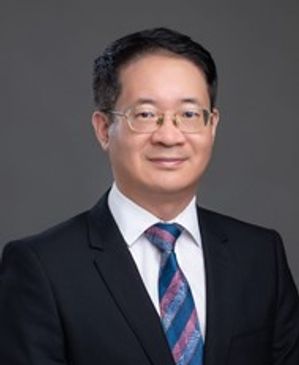
Defang Ouyang
Prof. Ouyang has a multidisciplinary background in pharmaceutics & computer modelling, with experience in academia and industry. He obtained his bachelor (2000) and master (2005) in pharmaceutics from Shenyang Pharmaceutical University, China. He completed his PhD in pharmacy at The University of Queensland, Australia, in 2010 and pro
Prof. Ouyang has a multidisciplinary background in pharmaceutics & computer modelling, with experience in academia and industry. He obtained his bachelor (2000) and master (2005) in pharmaceutics from Shenyang Pharmaceutical University, China. He completed his PhD in pharmacy at The University of Queensland, Australia, in 2010 and progressed directly to his faculty position (Lecturer in Pharmaceutics, PI) at Aston University (UK). From the end of 2014, he moved to the University of Macau.
Since 2011, he has pioneered the integration of multi-scale modeling, artificial intelligence and big data techniques in the field of drug delivery – “computational pharmaceutics“. He has published 2 books, 5 book chapters and over 150 refereed SCI journal papers, and has presented more than 150 invited talks. He holds over 10 approved patents, which have been used in medicinal products. He has developed the crucial “Rule of 5” for effective AI drug delivery models and successfully built the first global artificial intelligence (AI)-based formulation platform “FormulationAI” (https://formulationai.computpharm.org/).
SPEAKERS
Tim Mercer
Robert Hofmeister
Robert Hofmeister
Professor Timothy Mercer, from the Australian Institute for Bioengineering and Nanotechnology (AIBN), University Of Queensland, has more than 20 years of research experience in RNA biology, genomics, and bioinformatics. After receiving his PhD from The University of Queensland, he has undertaken research programs in Spain, Germany, and t
Professor Timothy Mercer, from the Australian Institute for Bioengineering and Nanotechnology (AIBN), University Of Queensland, has more than 20 years of research experience in RNA biology, genomics, and bioinformatics. After receiving his PhD from The University of Queensland, he has undertaken research programs in Spain, Germany, and the United States. In 2021, Timothy Mercer founded the BASE Facility, which focuses on mRNA-LNP design, manufacturing and research to support Australian scientists developing new medicines.
Robert Hofmeister
Robert Hofmeister
Robert Hofmeister
Robert Hofmeister, PhD is Chief Scientific Officer at CREATE Medicines, where he
leads the development of in vivo CAR and mRNA-based immunotherapies. He joined
the company in 2024, bringing more than two decades of experience in immuno-
oncology, cell therapy, and drug development.
Prior to CREATE Medicines, Dr Hofmeister served as CSO at Re
Robert Hofmeister, PhD is Chief Scientific Officer at CREATE Medicines, where he
leads the development of in vivo CAR and mRNA-based immunotherapies. He joined
the company in 2024, bringing more than two decades of experience in immuno-
oncology, cell therapy, and drug development.
Prior to CREATE Medicines, Dr Hofmeister served as CSO at Resonance Medicine,
where he guided the company’s R&D strategy to advance therapeutic proteases. He
previously was CSO at TCR 2 Therapeutics, where he played a central role in building
the R&D organization from the early beginnings and advancing the TRuC®-T cell
platform into the clinic.
Earlier in his career, Hofmeister contributed to the development of key immuno-
oncology therapies at EMD Serono including the now approved Bavencio® (avelumab)
and helped advance the bispecific antibody Blincyto® (blinatumomab) during his time at
Micromet AG (now part of Amgen).
Dr Hofmeister received his PhD from the University of Regensburg in Germany, where
he studied the signaling of the cytokine interleukin-1. He continued to work in the
cytokine field as a postdoctoral fellow at the National Cancer Institute.
Piotr Kowalski
Robert Hofmeister
Piotr Kowalski
Dr. Kowalski is an Associate Professor in advanced therapies at the School of Pharmacy, University College Cork, and a Funded Investigator at the APC Microbiome Ireland. He earned his Ph.D. in 2014 from the University of
Groningen (the Netherlands), which focused on the development of lipid-based systems for tissue-selective delivery of s
Dr. Kowalski is an Associate Professor in advanced therapies at the School of Pharmacy, University College Cork, and a Funded Investigator at the APC Microbiome Ireland. He earned his Ph.D. in 2014 from the University of
Groningen (the Netherlands), which focused on the development of lipid-based systems for tissue-selective delivery of siRNA. He received his postdoctoral training at the Koch Institute for Integrative Cancer Research at the
Massachusetts Institute of Technology in the laboratories of Prof. Daniel Anderson and Prof. Robert Langer. His multidisciplinary research focused on engineering novel biomaterials to enable the delivery of messenger RNAs to
treat inflammatory diseases, cancer, and diabetes. Dr. Kowalski’s work resulted in several high-impact publications and patents on RNA delivery technologies and the creation of a US-based biotech startup (Orna Therapeutics). His research at UCC is centered on developing Advanced Therapy Medicinal Products, in particular, novel clinically
relevant drug delivery technologies for parenteral and non-parenteral applications, to facilitate effective nucleic acid-based therapies aimed at high-medical need diseases that lack effective treatment. Dr. Kowalski has won a
prestigious European Research Council Starting grant to develop a new class of circular RNA therapeutics and is a member of the GENEGUT consortium aiming to create first-in-class oral RNA therapy. Currently, his group investigates the therapeutic potential of RNA molecules, including short interfering RNAs, messenger RNAs, and circular RNAs, to treat diseases such as sepsis, inflammatory bowel disease, and cancer, and develops methods to deliver these RNA-based drugs to diseased cells.
SPEAKERS
Audrey Gallud
Lucrezia Caselli
Lucrezia Caselli
Dr. Audrey Gallud is an Associate Principal Scientist at AstraZeneca specializing in the development of Lipid Nanoparticles (LNPs) for mRNA and genome-editing therapies. Her expertise lies in the formulation lifecycle, bridging the gap between small-scale, high-throughput screening and robust scale-up manufacturing.
With a multidisciplina
Dr. Audrey Gallud is an Associate Principal Scientist at AstraZeneca specializing in the development of Lipid Nanoparticles (LNPs) for mRNA and genome-editing therapies. Her expertise lies in the formulation lifecycle, bridging the gap between small-scale, high-throughput screening and robust scale-up manufacturing.
With a multidisciplinary background spanning the University of Montpellier (France), Karolinska Institute and Chalmers University (Sweden), Dr. Gallud focuses on optimizing how LNP formulations perform in living systems. By leveraging automated technologies, she ensures that novel delivery vehicles are engineered for maximum biological efficacy, safety profiling and stability as they transition from the lab to industrial production.
Technical Focus:
*Biological Functionality: Optimizing LNP performance and delivery efficiency in living systems.
*High-Throughput Formulation: Rapidly screening lipid candidates to identify top-performing delivery vehicles.
*Process Scaling: Engineering the transition from microliter discovery to large-scale, consistent manufacturing.
Lucrezia Caselli
Lucrezia Caselli
Lucrezia Caselli
Lucrezia Caselli is Tenure Track Assistant Professor at the Department of Chemistry of the University of Florence, and a member of the Italian Consortium for Colloid and Surface Science (CSGI).
She received her PhD in Chemical Sciences from the University of Florence in 2021. After that, she was Postdoctoral researcher at the Department
Lucrezia Caselli is Tenure Track Assistant Professor at the Department of Chemistry of the University of Florence, and a member of the Italian Consortium for Colloid and Surface Science (CSGI).
She received her PhD in Chemical Sciences from the University of Florence in 2021. After that, she was Postdoctoral researcher at the Department of Pharmacy, University of Copenhagen, and at the Department of Physical Chemistry, Lund University. Her scientific interest focuses on the physical chemistry of Soft Matter in biologically relevant systems, including natural and bio-inspired materials. Her research covers lipid nanoparticles and synthetic hybrid nanomaterials for gene and drug delivery, interaction of nanostructured assemblies with model membranes, design of peptide-functionalized antimicrobial nanomaterials.
Jie Tang
Lucrezia Caselli
Jie Tang
Dr. Jie Tang is an NHMRC Emerging Leadership Fellow and a lab head at the Monash Institute of Pharmaceutical Sciences (MIPS), Monash University. Her research focuses on developing nanoparticle-based platforms for mucosal vaccine delivery, via oral routes or inhalation, with a particular emphasis on cancer immunotherapy. In 2025, she was
Dr. Jie Tang is an NHMRC Emerging Leadership Fellow and a lab head at the Monash Institute of Pharmaceutical Sciences (MIPS), Monash University. Her research focuses on developing nanoparticle-based platforms for mucosal vaccine delivery, via oral routes or inhalation, with a particular emphasis on cancer immunotherapy. In 2025, she was named one of Nature Index’s “Four Rising Stars at the Forefront of Cancer Research”.
Since earning her PhD in 2018, Dr. Tang has secured competitive research funding as Chief Investigator, including grants from the ARC, MRFF, NHMRC, CGCPT and Tour de Cure, AQIRF, and has established licensing agreements with industry leaders such as AstraZeneca. She contributed to the development of ‘NUVEC’, a nanovaccine platform, securing fundings for translation and progressing towards a clinical trial. Additionally, her work on inhalable mRNA delivery technology has led to collaborations with industry partners, raising €2 million to advance mRNA therapeutics and offering a promising rapid-response platform for pandemic pathogens using inhalable lipid-polymer nanoparticles.
speakers
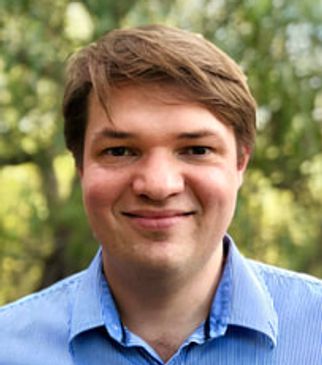
Angus Johnston
Simone Carneiro
Angus Johnston
Angus is head of the Nanomaterials for Biology group at the Monash Institute of Pharmaceutical Sciences. His research focuses on developing targeted drug delivery systems and understanding the trafficking of proteins, nucleic acids and nanoparticles in cells. A central focus of his work is improving the way nucleic acid therapeutics ar
Angus is head of the Nanomaterials for Biology group at the Monash Institute of Pharmaceutical Sciences. His research focuses on developing targeted drug delivery systems and understanding the trafficking of proteins, nucleic acids and nanoparticles in cells. A central focus of his work is improving the way nucleic acid therapeutics are delivered to specific cells. We have developed a modular antibody-capture system that orients antibodies optimally on lipid nanoparticles (LNPs), enabling dramatically improved targeting of mRNA to specific cell types without chemically modifying the antibody itself. He is currently working towards translating this technology for a number of disease applications. Angus received his PhD in 2006 from the University of Queensland. He has published more than 100 papers and has an H-factor of 60. Angus has received a number of awards for his research, including the Grimwade Prize for Industrial Chemistry, Young Tall Poppy Award and finalist for the Eureka Prize for Outstanding Young Researcher.
Kieu Lam
Simone Carneiro
Angus Johnston
Kieu Lam serves as the VP of Research at Genevant Sciences, where she leads the LNP platform research team. She has over 20 years of experience in the field of nucleic acid delivery and LNP formulation development. Prior to Genevant, Kieu spent 15 years at Arbutus Biopharma, Tekmira Pharmaceuticals, Protiva Biotherapeutics, and Inex P
Kieu Lam serves as the VP of Research at Genevant Sciences, where she leads the LNP platform research team. She has over 20 years of experience in the field of nucleic acid delivery and LNP formulation development. Prior to Genevant, Kieu spent 15 years at Arbutus Biopharma, Tekmira Pharmaceuticals, Protiva Biotherapeutics, and Inex Pharmaceuticals, covering early discovery to pharmaceutical development of lipid-based delivery platforms. She has helped advance more than a dozen LNP candidates into clinical development and is an inventor on Genevant's LNP delivery technology.
Simone Carneiro
Simone Carneiro
Simone Carneiro
Dr. Simone Carneiro is a pharmacist by training and holds a PhD in Biotechnology from
the Federal University of Ouro Preto, Brazil. With over 14 years of experience in developing
novel drug delivery systems for gene therapy, she specializes in RNA-lipid nanoparticles for
pulmonary applications. She has contributed to 20 high-impact publi
Dr. Simone Carneiro is a pharmacist by training and holds a PhD in Biotechnology from
the Federal University of Ouro Preto, Brazil. With over 14 years of experience in developing
novel drug delivery systems for gene therapy, she specializes in RNA-lipid nanoparticles for
pulmonary applications. She has contributed to 20 high-impact publications and coauthored 3 patents, demonstrating her innovative research in RNA therapeutics. As a Group Leader at
Ludwig-Maximilians-University of Munich, she
leads a team advancing non-viral RNA delivery strategies in collaboration with academia and industry. Having conducted research across three countries, Simone Carneiro is committed to translating innovative RNA technologies into impactful therapeutic solutions.
SPEAKERS
Gaurav Sahay
Chantelle Ahlenstiel
Gavin Painter
Gaurav Sahay is a Professor at Oregon State University and Director of the Center for Innovative Drug Delivery and Imaging (CIDDI). His research focuses on lipid nanoparticles for RNA and gene editing delivery, with an emphasis on endosomal escape and extrahepatic targeting. His work bridges fundamental biology and translational therapeutics
Gavin Painter
Chantelle Ahlenstiel
Gavin Painter
Professor Painter obtained his PhD in chemistry from the University of Otago in 1995 (synthetic methodology) which was followed by postdoctoral research at the University of Cambridge (the synthesis of inositol phospholipids for elucidation of PI3K pathways). Since joining the Ferrier
Research Institute, University of Wellington in New Zea
Professor Painter obtained his PhD in chemistry from the University of Otago in 1995 (synthetic methodology) which was followed by postdoctoral research at the University of Cambridge (the synthesis of inositol phospholipids for elucidation of PI3K pathways). Since joining the Ferrier
Research Institute, University of Wellington in New Zealand his research laboratory has focussed on the synthesis of lipid-based materials including phosphatidyl inositol mannosides, glycolipids, glycolipid-peptide conjugates and novel lipid nanoparticles (LNPs) for encapsulation of various
vaccine components including RNA, peptides, glycolipids and various immune stimulates. His
research group is currently focussed on the development of novel LNPs for vaccine applications, including Malaria and chronic Hepatitis B, and therapeutic applications.
Chantelle Ahlenstiel
Chantelle Ahlenstiel
Chantelle Ahlenstiel
A/Prof Ahlenstiel leads the RNA Silencing Group at the Kirby Institute, UNSW, Sydney, where her research team develops short interfering (si)RNA molecules to treat virus infections. She completed postdoctoral training at the Vaccine Research Center, NIH, USA and the Kirby Institute, UNSW. Dr. Ahlenstiel has developed an RNA therapeutic
A/Prof Ahlenstiel leads the RNA Silencing Group at the Kirby Institute, UNSW, Sydney, where her research team develops short interfering (si)RNA molecules to treat virus infections. She completed postdoctoral training at the Vaccine Research Center, NIH, USA and the Kirby Institute, UNSW. Dr. Ahlenstiel has developed an RNA therapeutic design pipeline and applied this to develop RNA therapeutics targeting acute and chronic virus infections, including HIV, SARS-coronavirus, EBV, HPV, HTLV-1, and influenza, with a focus on respiratory delivery.
speakers
Owen Fenton
Markéta Paloncýová
Erica Quagliarini
Dr. Owen S. Fenton joined the University of North Carolina at Chapel Hill in December 2021 as an Assistant Professor in the Eshelman School of Pharmacy. Prior to this, Owen performed his PhD and Postdoctoral studies at the Massachusetts Institute of Technology with Professor Daniel Anderson and Professor Robert Langer. Fenton was also an
Dr. Owen S. Fenton joined the University of North Carolina at Chapel Hill in December 2021 as an Assistant Professor in the Eshelman School of Pharmacy. Prior to this, Owen performed his PhD and Postdoctoral studies at the Massachusetts Institute of Technology with Professor Daniel Anderson and Professor Robert Langer. Fenton was also an assistant professor at the National University of Singapore in the Department of Chemical and Biomolecular Engineering from 2020 – 2021. Fenton has received the 2025 American Association of Pharmaceutical Scientists (AAPS) Emerging Leader Award, an NIH NIGMS R35 MIRA Award, and an NIH NIBIB R21 Trailblazer Award, amongst others. Research in the Fenton laboratory focuses broadly within the field of genetic medicine, with a particular emphasis on the development of mRNA lipid nanoparticle therapies for the study, prevention, and treatment of disease.
Erica Quagliarini
Markéta Paloncýová
Erica Quagliarini
Dr. Erica Quagliarini obtained her PhD in Chemistry in 2021 at Sapienza University of Rome, where she is currently a Postdoctoral Researcher in the NanoDelivery Lab led by Prof. Giulio Caracciolo and Prof. Daniela Pozzi. Since 2018, her research activity has focused on bio–nano interactions, protein corona formation, and the engineering o
Dr. Erica Quagliarini obtained her PhD in Chemistry in 2021 at Sapienza University of Rome, where she is currently a Postdoctoral Researcher in the NanoDelivery Lab led by Prof. Giulio Caracciolo and Prof. Daniela Pozzi. Since 2018, her research activity has focused on bio–nano interactions, protein corona formation, and the engineering of lipid-based nanoplatforms for drug and gene delivery. Her work combines nanotechnology, proteomics, advanced microscopy, and in vitro/in vivo models to develop multifunctional bio-nanoarchitectures with improved stealth properties, biodistribution, and transfection efficiency. In 2025, she was awarded a three-year AIRC fellowship for her research on nanodiagnostic strategies aimed at developing innovative nanoplatforms for precision medicine applications.
Markéta Paloncýová
Markéta Paloncýová
Markéta Paloncýová
Markéta Paloncýová is a researcher at the Czech Advanced Technology and Research Institute (CATRIN), Palacký University Olomouc, Czech Republic. She obtained her Ph.D. in Physical Chemistry from Palacký University focusing on modeling of drug-membrane interactions. Her postdoctoral research at the Royal Institute of Technology in Stockh
Markéta Paloncýová is a researcher at the Czech Advanced Technology and Research Institute (CATRIN), Palacký University Olomouc, Czech Republic. She obtained her Ph.D. in Physical Chemistry from Palacký University focusing on modeling of drug-membrane interactions. Her postdoctoral research at the Royal Institute of Technology in Stockholm, Sweden, focused on fluorescent lipid probes and chiral assemblies. Since joining CATRIN, she has focused on in-silico modeling of lipid nanoparticles (LNPs) by multiscale molecular dynamics simulations, LNP internal morphology, the ionizable lipids structure-activity relationship and the mechanism of endosomal escape.
speakers
Sabrina Leslie
Sabrina Leslie is a Canadian biophysicist who serves as an Associate Professor at the Michael Smith Laboratories and holds appointments in Physics, Biomedical Engineering, and Genome Science and Applied Technology programs at University of British Columbia. A UBC graduate with a degree in physics and mathematics, she earned her Ph.D. in
Sabrina Leslie is a Canadian biophysicist who serves as an Associate Professor at the Michael Smith Laboratories and holds appointments in Physics, Biomedical Engineering, and Genome Science and Applied Technology programs at University of British Columbia. A UBC graduate with a degree in physics and mathematics, she earned her Ph.D. in physics at University of California, Berkeley and completed postdoctoral research at Harvard University. Her research focuses on developing advanced single-molecule and single-cell imaging technologies to better understand biological systems and improve the design and delivery of next-generation medicines, including nucleic-acid therapeutics and nanomedicines. A Fellow of the Royal Society of Canada, she is also an entrepreneur who co-founded the biotechnology company ScopeSys to help translate her laboratory innovations into real-world impact.